
The Working Class and the American Promise
Hillbilly ElegyThis theme thread follows J.D. Vance’s movement from patriotic confidence to concern about working-class pessimism and the erosion of shared civic belonging.
increasing Bearing strength in each event
 decreasing
Bearing strength in each eventdecreasingMamaw’s Two Gods
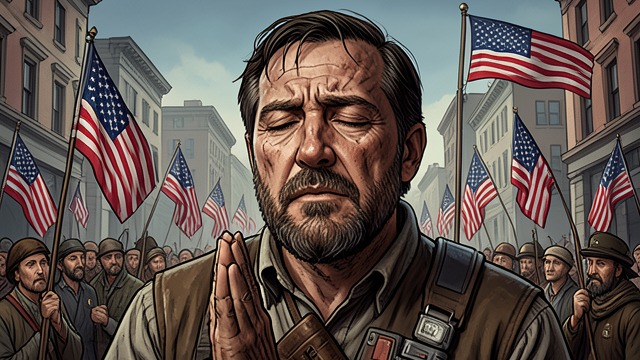
Faith and Country
A family identity
Mamaw’s devotion to Jesus and the United States shapes how J.D. Vance understands family, duty, and history. Stories of wartime service give national belonging a personal foundation.
A source of hope
Patriotism helps him believe that difficult circumstances need not define the future. The country represents the possibility of making different choices.
This civic faith is emotional and inherited, not merely a political position.
A New Community in Uniform
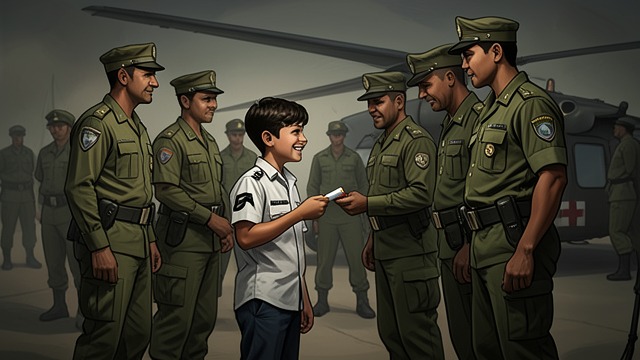
Belonging Beyond Home
Shared service
J.D. Vance serves alongside recruits and Marines from different regions, races, religions, and economic backgrounds. They form bonds that complicate any picture of the military as a refuge for only one kind of person.
A changed perspective
An Iraqi schoolboy’s delight at receiving an eraser makes J.D. Vance reconsider his own resentment. He recognizes the comforts and family support he had once taken for granted.
Service strengthens both his national identity and his capacity for gratitude.
Middletown’s Lost Heroes
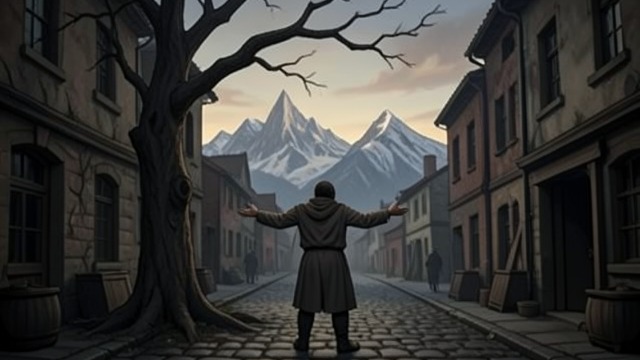
A Community Without Anchors
Declining confidence
J.D. Vance sees Middletown facing economic decline, two wars, and fewer sources of shared pride. Neighbors distrust national leaders and feel disconnected from the wider country.
Optimism becomes unusual
He recognizes that his own hopefulness makes him seem like an outsider at home. Belief in a better future has become less common among people who expect institutions to fail them.
The change is cultural as well as economic: a loss of shared meaning deepens material frustration.
The President as an Outsider

Alienation Beyond Partisanship
Distance in background
J.D. Vance argues that many neighbors see Barack Obama as culturally foreign because of his education, career, speech, and confidence, not only because of race.
Distrust takes hold
Conspiracy stories flourish where people no longer trust news organizations or public institutions. Correct information alone does not repair the deeper sense of exclusion.
The president becomes a symbol onto which community insecurity is projected.
The Promise Requires Participation
Reclaiming a Shared Future
Anger without direction
J.D. Vance sees how resentment can persuade people that choices no longer matter. That belief makes it harder to work, participate, or imagine change.
A responsibility to act
He calls on hillbillies to stop blaming distant leaders for every local problem and to support vulnerable children around them. Public policy can assist, but community members also shape what becomes possible.
The American promise depends not only on opportunity but on people believing they can use it.
J.D. Vance’s childhood and adolescence
during the Iraq War deployment
after J.D. Vance returns from college
during Barack Obama’s presidency
in the book’s closing reflections
